Porsche 911 Carrera (996/997) Oil Change Guide
Extracted on 2025-07-27 10:30 UTC
Source: PelicanParts Technical Article Author: Wayne R. Dempsey
Overview Table
| Field | Detail |
|---|---|
| Article | Oil Change - Porsche 911 Carrera |
| Applicable Models | Porsche 996 Carrera (1998–2005), 997 Carrera (2005–2012) |
| Time Required | ~1 hour |
| Estimated Cost | ~$80 |
| Skill Level | ★★★★★ (very advanced — requires car on jack stands) |
| Parts Required | Oil filter kit, 7–10 quarts of motor oil |
| Hot Tip | Make sure you have a big enough bucket for the oil! |
| Performance Gain | Prolonged engine life and reliability |
| Complementary Mod | Install synthetic oil |
Tools Required
- 2-ton jack
- Jack stands
- Jack pad tool
- Oil filter removal tool
- 8mm hex socket (for drain plug)
- Large oil pan (at least 10-quart capacity)
- Paper towels
- Rubber gloves
Article Content
Why Regular Oil Changes Matter
The most common task to perform is replacing your engine oil. Frequent oil changes are perhaps the most important procedure you can do to maintain and prolong the life of your engine. However, with better oils available today, the requirement for frequent changes is diminishing. Porsche now recommends longer intervals than in the past, but the author recommends keeping oil changes under 5,000 miles. If you don't drive often, change the oil at least once a year to keep it fresh.
Preparation — Heat The Engine
Drive the car around first to bring it up to operating temperature. Hot oil flows much easier and carries out more metal particles and dirt when drained.
Step 1: Drain The Oil
- Park the car and place the oil pan/bucket underneath the oil sump (engine bottom).
- If the Carrera is too low to the ground, raise it on jack stands. (Reference: "Jacking Up Your Porsche 911 Carrera.")
- Locate the drain plug at the bottom of the engine sump. Remove it carefully using an 8mm hex socket tool.
- The oil will empty out extremely quickly and be very hot — wear rubber gloves to avoid burns.
- Use a large pan (at least 10-quart capacity) with a drip pan underneath in case you underestimate the volume.
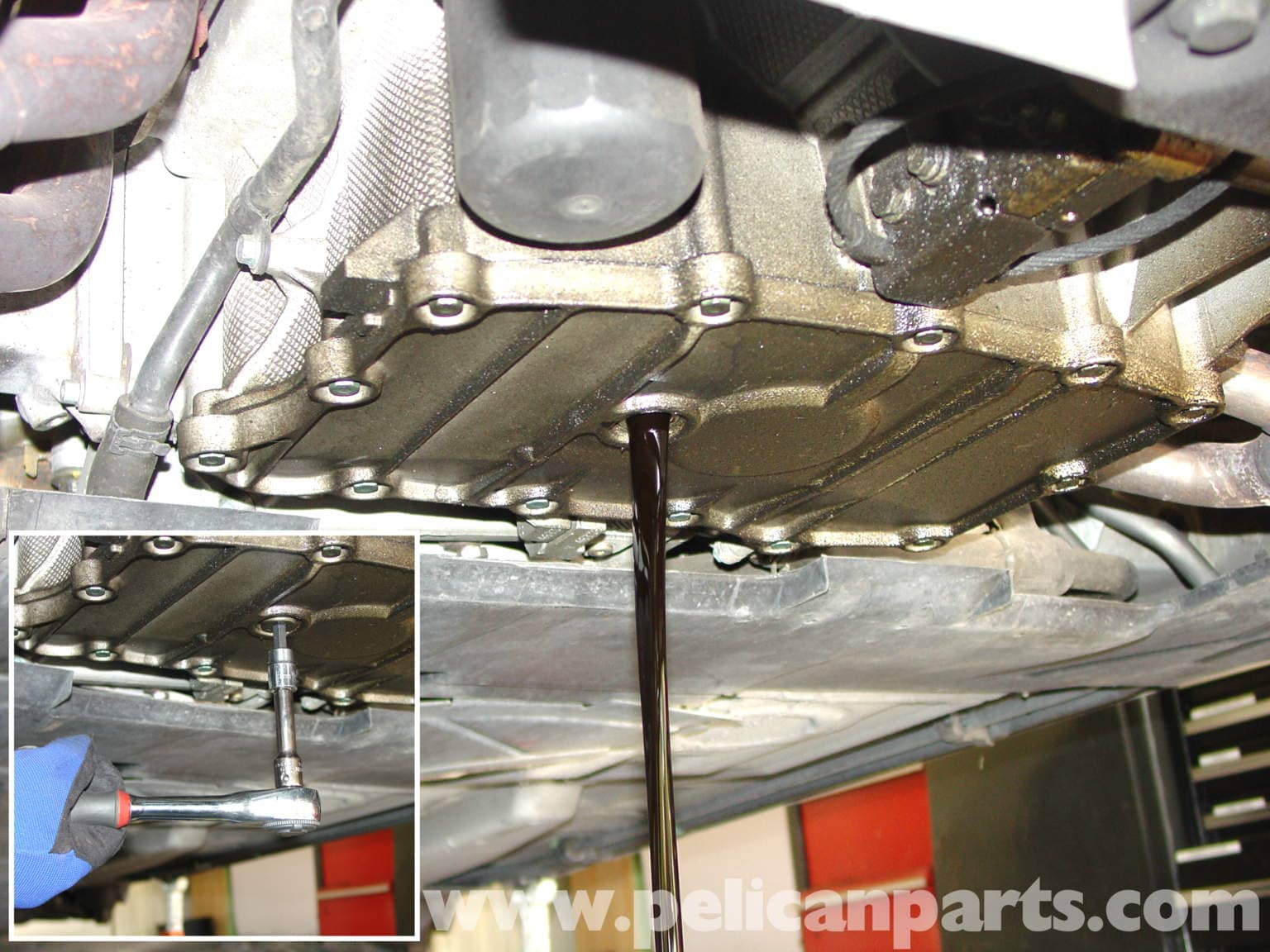
Figure 1: Protective pan underneath engine; drain plug with 8mm hex socket (inset); replace metal gasket each time to guard against leaks.
Step 2: Replace The Oil Filter
- With the oil pan still under the car, remove the oil filter cartridge from its plastic housing.
- The housing is next to the bottom sump underneath the car — use the specialized Porsche oil filter housing removal tool to get it off (it's often stuck).
- Pull out the old cartridge filter — it sits on a pipe pointing down out of the engine.
- Have paper towels ready — oil will spill from the filter.
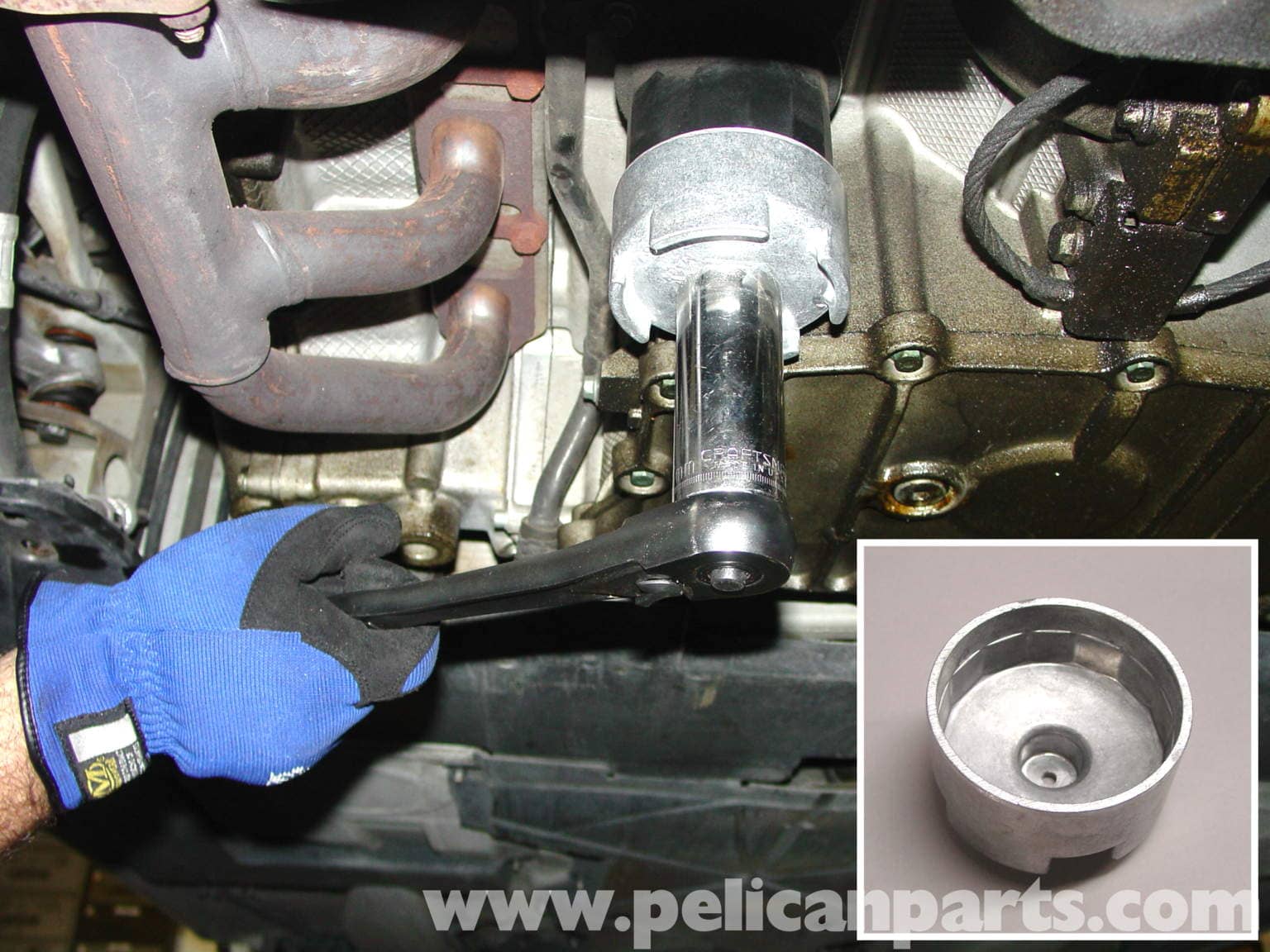
Figure 2: Filter housing stuck on engine — best removed with the Porsche oil filter housing removal tool.
Step 3: Clean And Replace The Drain Plug Gasket
- Clean the drain plug with a paper towel.
- Install a new metal gasket underneath the plug and torque it to 50 Nm (37 ft-lb).*.
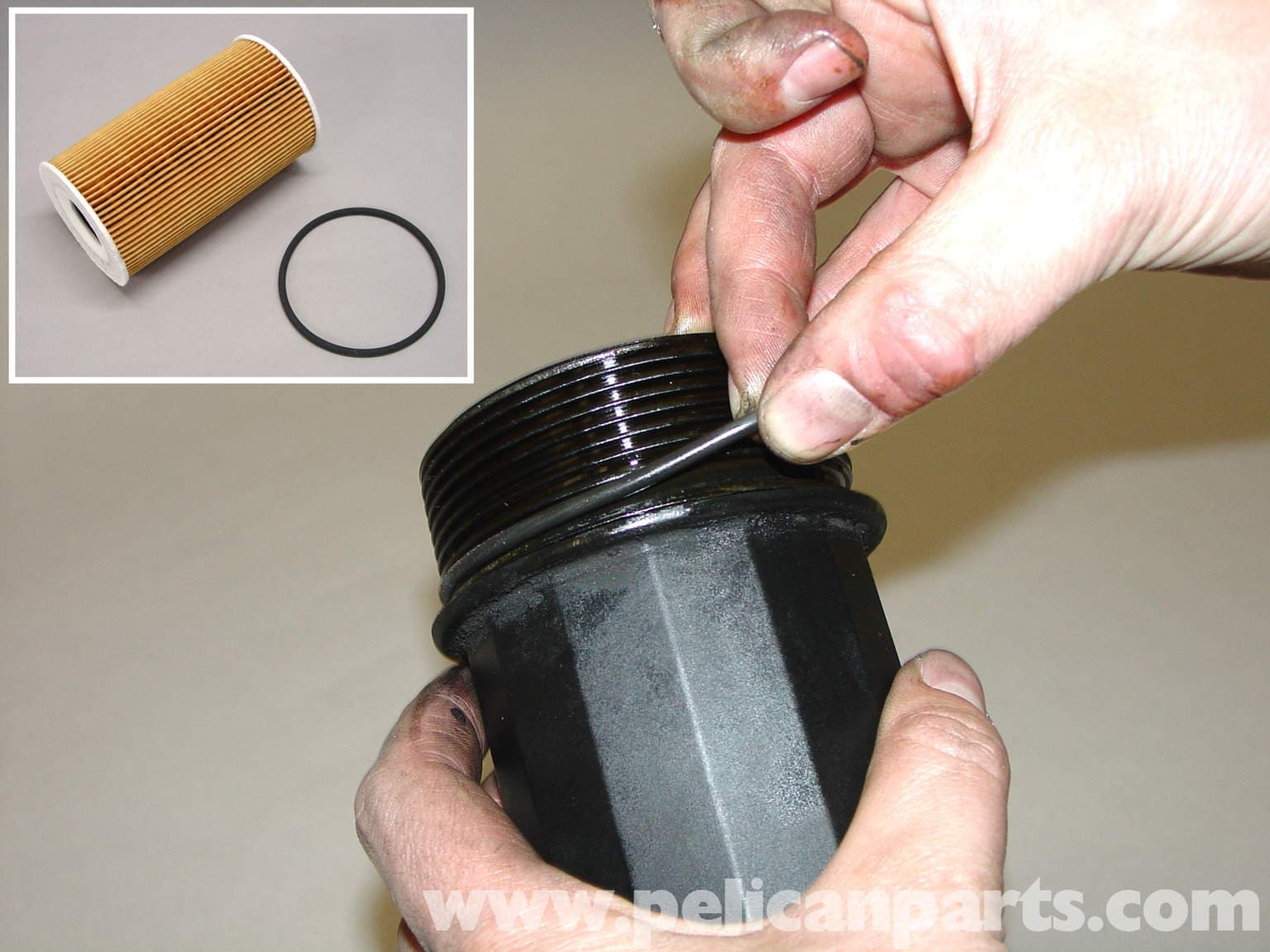
Figure 3: Large O-ring that seals oil filter housing to engine; should be included in complete oil filter kit.
Step 4: Install The New Oil Filter
- Place the new filter cartridge onto the oil pipe exiting the bottom of the engine (one end is slightly beveled for easier installation).
- Clean out the inside of the oil filter housing and replace the O-ring with a new one.
- Lubricate the O-ring slightly with fresh motor oil before installing it.
- Screw the filter housing back on snug — torque to 25 Nm (19 ft-lb).
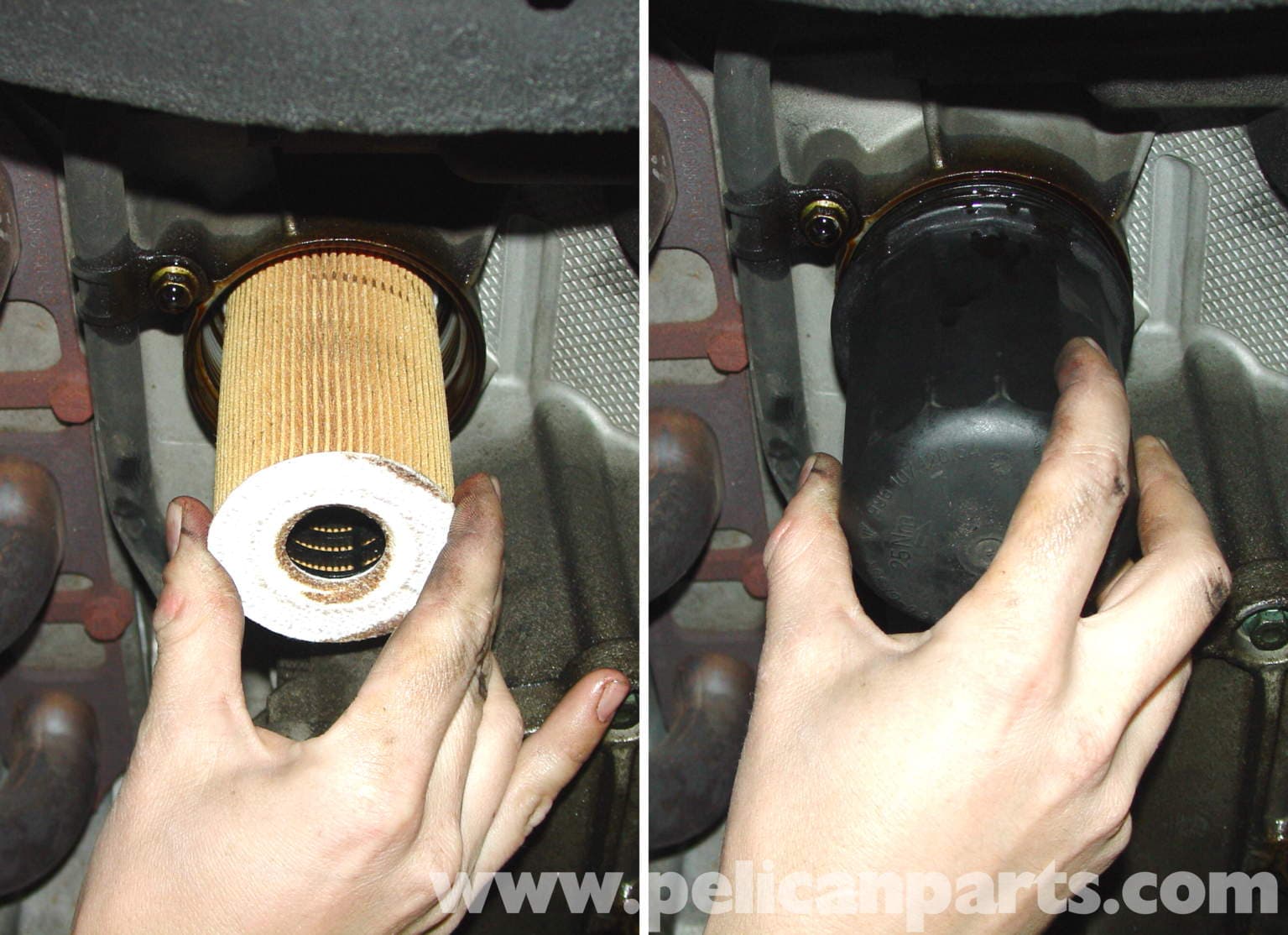
Figure 4: Install new filter onto oil pipe (beveled end first), then reinstall filter housing.
Step 5: Choose The Right Oil
The article discusses motor oil selection in detail:
- Cold climates: Use 10W-40 — a 10-weight oil that protects against heat like a 40-weight oil.
- Warmer climates: Use 20W-50 — doesn't flow as well cold but gives extra protection on the hot end.
- Synthetic vs. conventional: Consumer Reports tested 75 rebuilt taxi engines over 60,000 miles and found no discernible difference in engine wear between synthetic and traditional oil, regardless of brand, weight, or change interval (at 3,000 or 6,000 miles). Modern additives have improved dramatically.
- Caveat: For older cars with old seals, synthetic oil can cause leaks that weren't there before. If your Carrera doesn't have fresh seals, stick to non-synthetics. If it's only ever seen synthetic, stay with synthetic.
Step 6: Fill The Engine With Oil
- Fill the oil tank from the oil filler hole in the rear engine compartment (left side, attached to the air box housing; yellow cap).
- Add about 8 quarts first, then check the dipstick (1998–2005) or oil level gauge (2005+).
- Continue adding about half a quart at a time, checking the level each time.
- Fill until it reaches the top mark — the oil level will automatically lower when the filter fills up with oil.
- Make sure the filler cap is reinstalled — a vacuum leak in the cap causes rough running. Also check the seal in the cap.
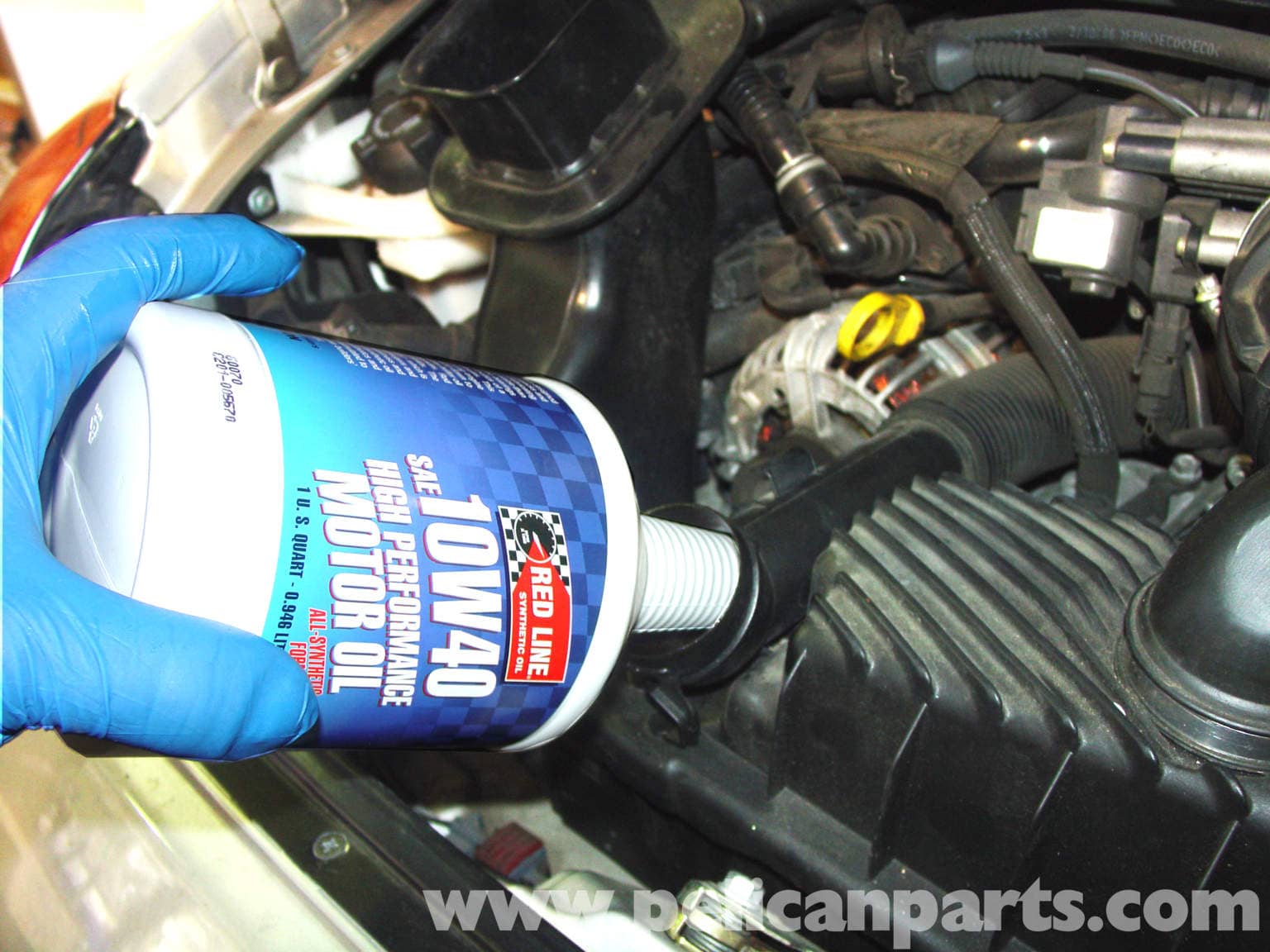
Figure 5: Oil filler inlet in rear engine compartment (left side, yellow cap) — use a funnel to avoid mess.
Step 7: Final Checks
- If you raised the car on jack stands, lower it back down first.
- Start the engine — the oil pressure light should turn off after ~1–2 seconds.
- Look underneath the engine for leaks and check again from below.
- Take a test drive to bring the engine up to operating temperature.
- Shut off the car, let it sit briefly, then recheck the oil level (careful — the car is hot).
- Top off at the dipstick's top point if needed.
- Dispose of old oil at a proper recycling facility.
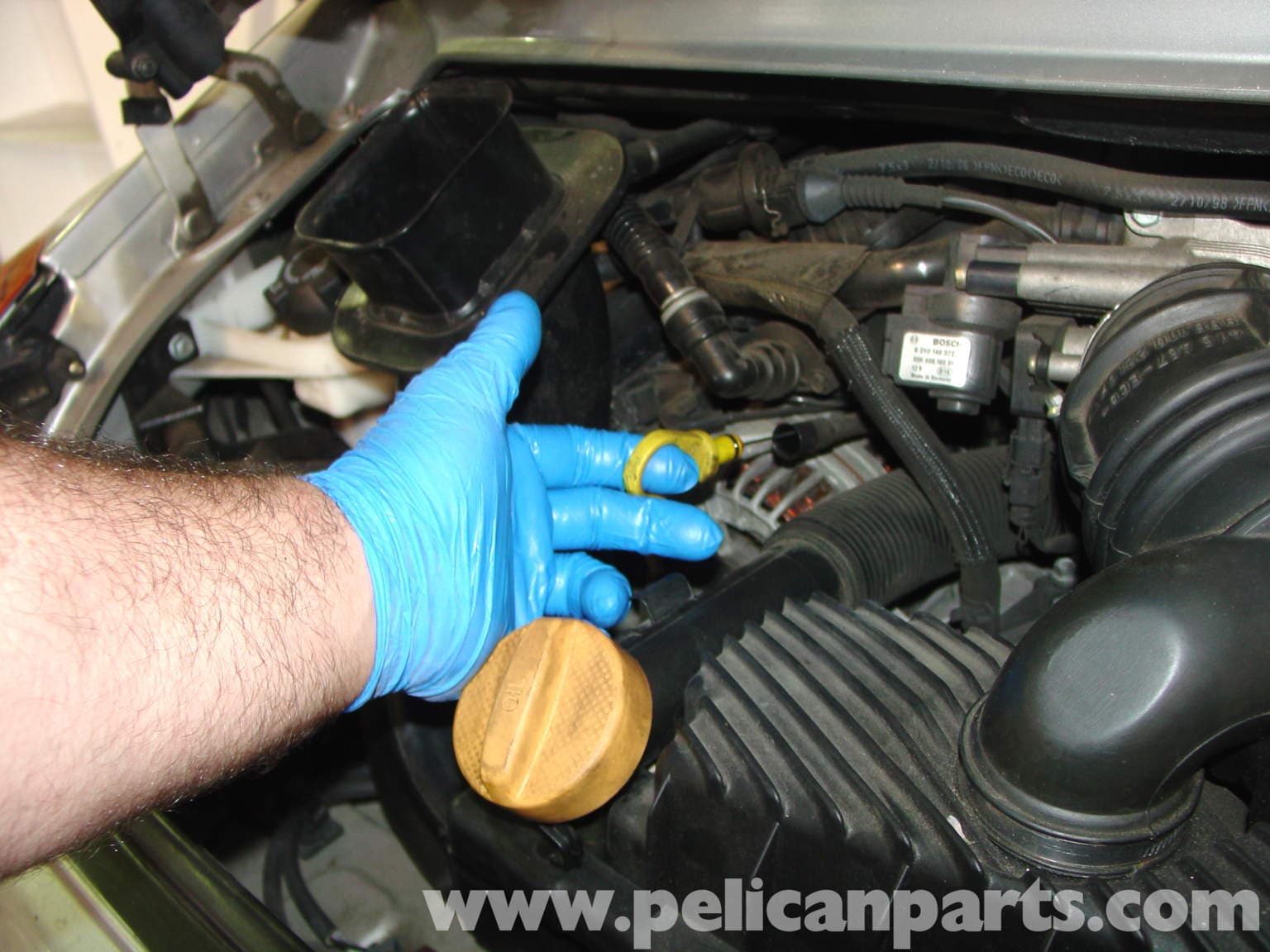
Figure 6: Check oil level with dipstick; wipe dipstick before inserting for accurate reading.
Optional Upgrade: Spin-On Oil Filter Adapter
The article also features an optional LN Engineering full-flow spin-on oil filter adapter, which allows use of conventional spin-on filters instead of the factory cartridge style:
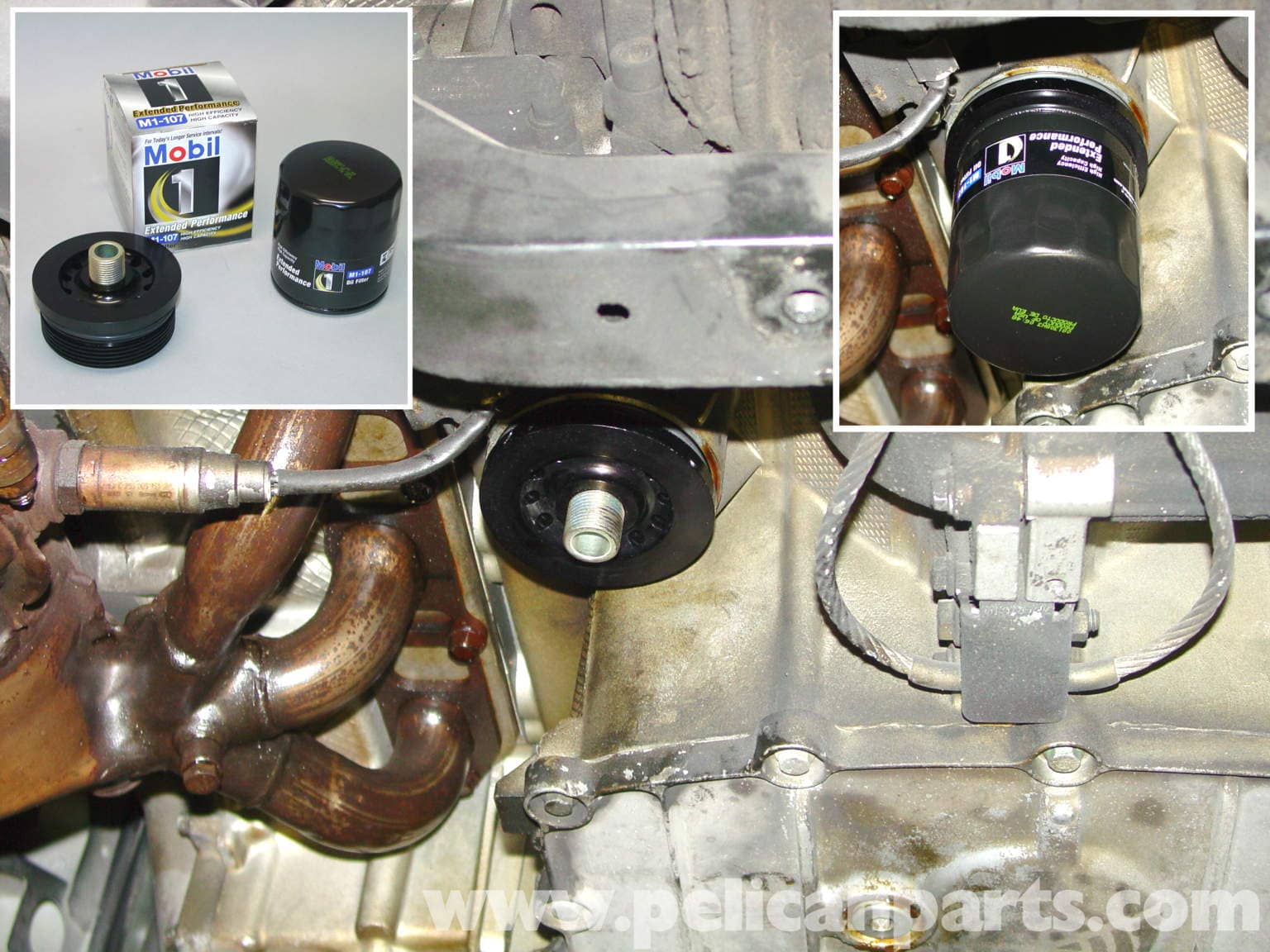
Figure 7: LN Engineering full-flow spin-on oil filter adapter — allows use of conventional spin-on filters. Provides 100% filtration without bypass (improvement over factory design).
Key Takeaways
- Always change oil at least yearly and under 5,000 miles
- Heat engine before draining — easier flow, cleaner drain
- Replace the drain plug gasket every time (50 Nm torque)
- Torque filter housing to 25 Nm
- Use a big enough oil pan — the oil drains fast and hot
- Modern oils have improved so much that synthetic vs. conventional makes little difference for newer engines
- Older engines with worn seals: avoid synthetic to prevent leaks
- Don't forget to check the oil cap seal (prevents vacuum leak)
- Recheck oil level after running engine; top off if needed